One Couch, Five Headphones: How Watching TV Together Quietly Became a Thing of the Past
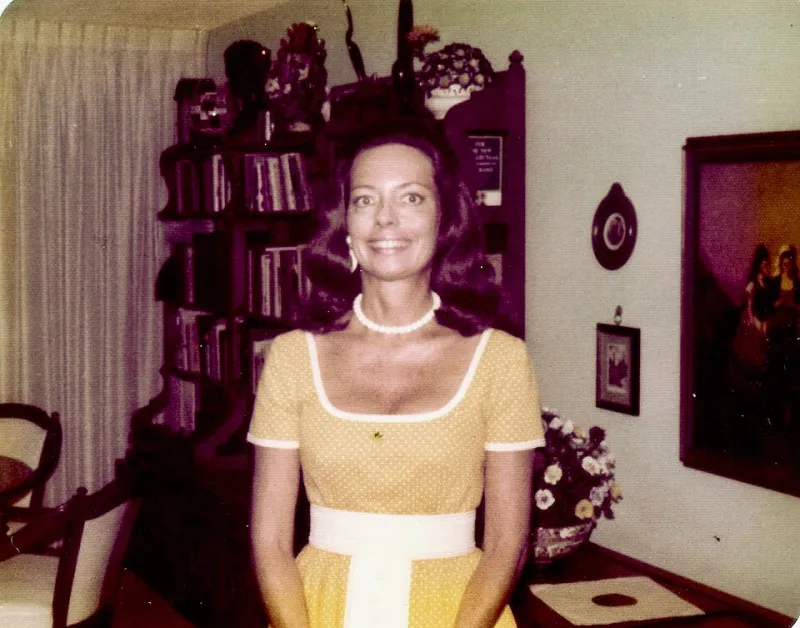
Photo: family of Infrogmation of New Orleans, CC BY 2.0, via Wikimedia Commons
There was a time, not that long ago, when Thursday night meant one thing in most American households: whatever was on. Dad had the remote. Somebody had to be home by 8. If you missed it, you missed it, and you spent the next day at school or the office getting caught up by word of mouth.
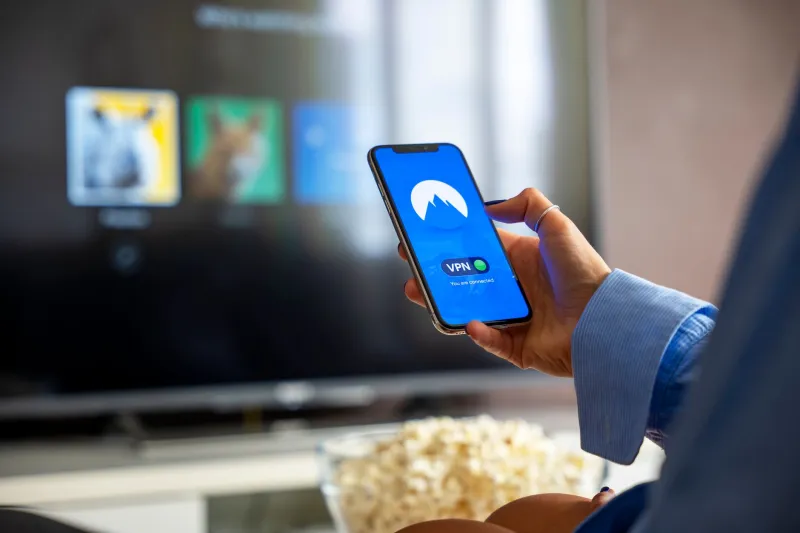
Fast forward to 2025, and the average family of four is sitting in the same room watching four different things. One's got earbuds in, catching up on a reality show on their phone. Another is halfway through a prestige drama on a tablet. The TV itself might be playing something nobody is actually paying attention to. Everyone's together. Nobody's watching together.
The Living Room Used to Be a Movie Theater
Ask anyone who grew up in the '80s or '90s and they'll tell you: the family TV was contested territory. You negotiated. You compromised. You sat through your sibling's cartoons because eventually they'd sit through your sitcom. That friction was annoying, but it was also the point — it meant you all knew what each other was watching.
Streaming blew that arrangement up. When every person in the house gets their own profile, their own queue, and their own recommendations, the shared viewing experience stops being the default and becomes the exception. A mom in Ohio told us her household hasn't watched a single show together since her kids got their own accounts three years ago. "We're all home every night," she said. "We just don't watch anything together anymore. It's kind of sad when you say it out loud."
She's not alone. The numbers back it up — co-viewing has been sliding for years, and the shows that do dominate the cultural conversation are increasingly ones people watch alone, on their own schedule, at their own pace. There's no longer any reason to synchronize.
So We Rebuilt the Watercooler Ourselves
Here's the thing, though: humans are stubborn. Take away the shared experience and we'll find a way to manufacture a new one. Enter the group chat.
The modern watercooler isn't at the office — it's a text thread with six people and a name like "NO SPOILERS." Someone finishes an episode and fires off a string of all-caps reactions. Someone else is two episodes behind and demands silence. Someone sends a screenshot with the caption "NOT HIM." It's chaotic, it's immediate, and honestly, it scratches the same itch that standing around a break room in 1995 did.
Then there's TikTok, which has essentially become a reaction engine for television. Half the fun of a big twist episode is scrolling through the aftermath — the stitch videos, the breakdowns, the people screaming into their cameras. Reddit threads do the slow-digest version, with episode discussions that read like book club meetings for people who've never been to a book club.
The Watch Party Renaissance
And some people have gone further, trying to literally recreate the shared couch. Watch parties over video calls — where friends sync up a show and watch it together on FaceTime or a streaming platform's built-in party feature — went from a pandemic stopgap to a genuine habit for a lot of people.
A college student we talked to does a weekly watch party with her two best friends from high school, all of them in different time zones. "We mute the show during commercials-ish moments and just talk," she said. "It's not the same as being on the same couch. But it's close enough."
Close enough might be the whole story. Streaming took away the default togetherness of TV, so we built replacements: the thread, the reaction video, the synced-up video call. It's more effort than flopping down in front of the family set ever was. But for a generation that grew up with unlimited choice, it turns out the show was never really the point. Talking about it was.
The watercooler didn't die. It just moved into your pocket.