Remember When Everyone Watched the Same Thing Last Night? We Need to Talk About What On-Demand Killed

Photo by Photo by Maurice Sardison on Unsplash on Unsplash
Picture this: it's a Tuesday morning in 2005, and you're standing at the office coffee pot. Somebody says a name — Jack Shepard, say — and three different people groan, laugh, or gasp. Nobody has to explain which episode. Everybody watched. That was just how television worked, and we didn't know we were living in the golden age of shared references until it evaporated.
Now? Ask a coworker about the season finale of anything and the response is a shrug: "Oh, I haven't gotten to that yet." Gotten to it. Like it's a dental appointment. Like the finale is sitting in a queue somewhere between a documentary about competitive cheese rolling and season six of a show they abandoned in 2022.
The Slow-Motion Death of the Shared Moment
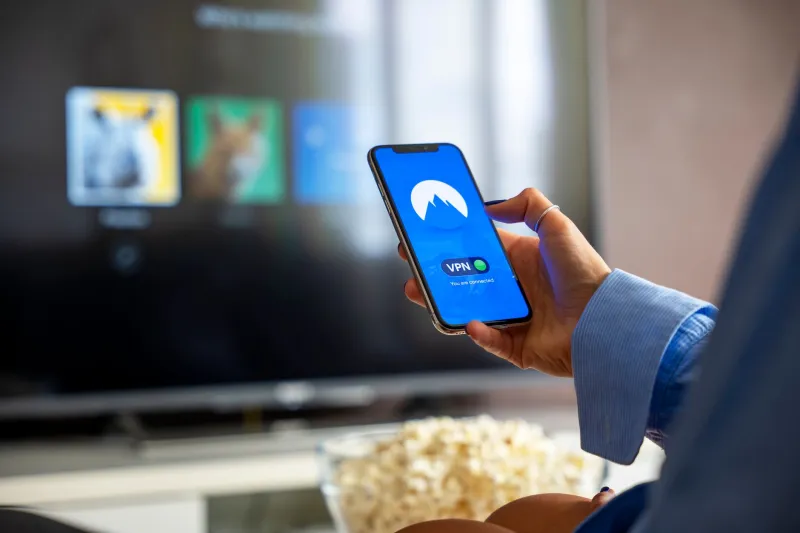
The on-demand revolution sold us freedom, and honestly, it delivered. Watch what you want, when you want, at whatever pace your life allows. But nobody mentioned the fine print: freedom of schedule means fragmentation of conversation.
The math is brutal. In the cable era, a hit show premiered on one network, one night, one time slot. If 20 million people watched, they all watched within the same 24 hours. Today, a buzzy series drops all at once on a streaming platform, and the audience immediately splinters. The superfan binges it in a weekend. The casual viewer stretches it across two months. Somebody's still on episode two in November for a show that premiered in September.
Multiply that across a dozen platforms and hundreds of shows, and the odds of two random people having watched the same recent episode approach zero. We didn't lose the water cooler conversation because we stopped caring about TV. We lost it because we're all drinking from different fountains now.
Enter the Spoiler Embargo
Out of this chaos grew a whole new social contract. Nobody sat us down and explained the rules, but we all know them: before discussing any show, you must first conduct a diplomatic negotiation. "Where are you?" "I'm on episode four." "Okay, I'll say nothing past three." It's like treaty talks, except the subject matter is whether a fictional couple gets together.
The phrase "no spoilers" has become the most important sentence in American small talk. We've developed elaborate hand gestures, coded language, and the dreaded "just wait until you see episode seven" — a sentence that spoils nothing and everything simultaneously. Entire etiquette systems have formed around a problem that simply didn't exist when everyone had to be in front of the tube at 9 p.m. sharp.
And there's a real cost buried in all this politeness. Conversations about great shows used to build communities — at work, in group chats, at barbecues. Now they're stilted, hedged, conducted in whispers and ellipses. The enthusiasm is still there; the shared context isn't.
Who Still Pulls Off Appointment Viewing?
Here's the interesting part: communal TV isn't dead. It just retreated to specific terrain where pausing isn't an option.
Live sports remains the last true mass gathering of the screen. The Super Bowl doesn't care about your schedule — it happens when it happens, and 100 million Americans show up together. Nobody's "saving" the game for later.
Reality competition finales come close. When a season of a big singing show or a cultural phenomenon like a certain reality dating franchise wraps, there's a genuine shared moment — recaps, hot takes, group chats lighting up within the hour. The live or near-live format forces synchronization.
And every so often, a streaming giant accidentally recreates the old magic. When a certain holiday-adjacent animated special or a surprise drop captures the zeitgeist, millions of people binge the same weekend and — briefly — we get a glimpse of 1998 again. But it's a flash, not a return. The moment passes, the crowd disperses into their individual queues, and the fragmentation resumes.
Can We Ever Get It Back?
The pessimist says no. The economics of streaming reward libraries and binge-watching, not weekly appointments. Releasing episodes weekly — which some platforms have returned to — is an attempt to rebuild the communal rhythm, and it does help stretch conversations. But even weekly releases can't force a synchronized audience the way a broadcast schedule once did, because the back catalog is always right there, and half the audience is three seasons behind on something else.
The optimist notes that humans crave shared experiences, and the market eventually follows desire. The return of weekly drops, the enduring dominance of live sports, the way certain shows still briefly unite the internet — these are signs the appetite never left. We still want to talk about the same thing at the same time. We just need the industry to give us a reason.
Maybe the answer isn't going backward. Maybe it's accepting that communal TV now happens in bursts — a finale here, a live event there — instead of every night of the week. The water cooler is gone, sure. But everyone's still thirsty. And every once in a while, something comes along that makes us all drink at the same time — and for a night or two, it almost feels like old times.