They Said It Was Wrong Casting — Then the Movie Came Out
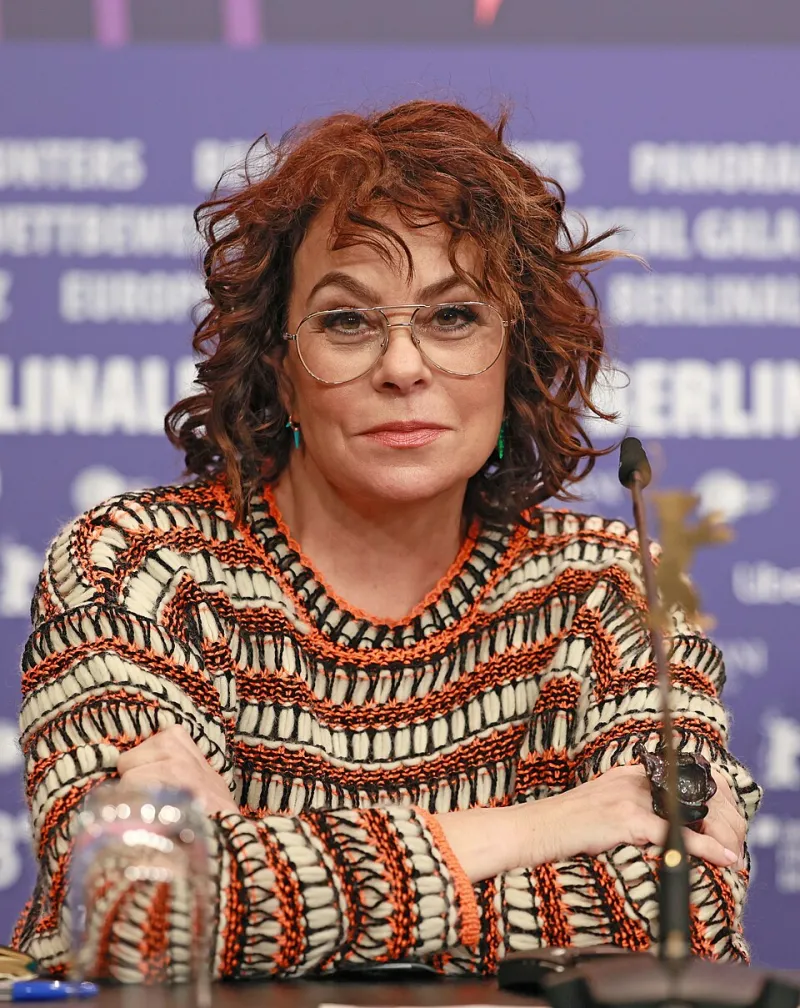
Photo: Elena Ternovaja, CC BY-SA 3.0, via Wikimedia Commons
There's a specific kind of internet outrage that only exists in the gap between a casting announcement and opening night. It's loud, it's confident, and it is almost always wrong.
We've seen it play out dozens of times. A studio drops a name, and within hours the discourse machine is fully operational — Reddit threads, Twitter pile-ons, think pieces about how Hollywood has lost the plot. Then the film comes out, and somehow, inexplicably, the "wrong" actor turns out to be the only actor anyone can imagine in the role.
So what's actually going on here? And why do we keep falling for our own first impressions?
The Ledger Effect
If there's a patron saint of misunderstood casting, it's Heath Ledger. When Christopher Nolan announced in 2006 that Ledger would play the Joker in The Dark Knight, the reaction was somewhere between skepticism and mockery. Ledger was known for Brokeback Mountain, for 10 Things I Hate About You — he was a romantic lead, not a chaos agent. Fans who'd grown up with Jack Nicholson's version felt the character deserved someone with more menace baked in.
Then the movie came out in 2008. Ledger won the Academy Award posthumously, and his Joker became one of the most referenced performances in modern cinema. The casting that seemed like a misfire turned out to be the whole reason the film worked.
What Nolan understood — and what the internet couldn't see from a press release — is that casting isn't about matching a checklist. It's about chemistry, range, and what a specific actor brings to a role that nobody expected. Ledger's background in emotionally raw, physically transformative work was exactly what the Joker needed. The "wrongness" was actually the point.
Anne Hathaway and the Skeptic's Playbook
Fast forward to 2012. When it was announced that Anne Hathaway would play Fantine in Tom Hooper's Les Misérables, the skepticism followed a familiar script. She was too polished, too Hollywood, too Princess Diaries to carry one of musical theater's most devastating roles.
Hathaway ended up winning the Oscar for Best Supporting Actress. Her single-take performance of "I Dreamed a Dream" is still used in acting classes as an example of raw, unguarded vulnerability. But none of that was visible from the announcement.
This is the pattern. Audiences project a fixed identity onto actors based on their previous work, and then resist any casting that doesn't match that projection. It's not irrational — we're using the information we have. The problem is that information is almost always incomplete.
Why Social Media Makes This Worse
Here's where things get particularly interesting for anyone paying attention to how entertainment culture has shifted over the last decade.
Before social media, casting controversies existed, but they were slower and less coordinated. A critic might raise an eyebrow in print. A fan might write a letter. The discourse had friction built in.
Now? A casting announcement can generate tens of thousands of negative reactions within an hour — before anyone has seen a screen test, a trailer, or a single scene. The verdict gets delivered before any evidence exists. And because those early reactions get amplified and shared, they start to feel like consensus even when they represent a vocal minority.
Casting directors have noted in various interviews that this environment creates real pressure. Not necessarily to change decisions — studios with confidence in their choices rarely back down — but it does affect how announcements are timed and framed. Some studios now delay casting reveals until they have footage ready to accompany the news, specifically to short-circuit the knee-jerk phase.
The Audience's Blind Spot
There's a psychological concept worth naming here: the representativeness heuristic. Basically, our brains judge how well something fits a category based on how closely it resembles our mental prototype of that category. When we imagine a superhero, we imagine someone who looks like one. When we imagine a tragic French woman in the 1800s, we imagine someone who doesn't look like they've been in a rom-com.
But acting — real acting — is precisely about breaking those prototypes. The most interesting performances almost always come from casting that creates friction between expectation and reality.
Think about Michael Keaton as Batman. Or Daniel Craig as James Bond. Or even Tom Hanks as a hitman in Road to Perdition. Every one of those announcements generated doubt. Every one of them worked.
When the Critics Are Actually Right
Of course, not every unconventional casting choice lands. The history of cinema has its share of genuine misfires — cases where the instinct behind the casting was interesting but the execution didn't connect. The difference is usually visible in retrospect: it's not about whether the actor was "right" on paper, it's about whether the director and actor had a shared vision for what the role could be.
The casting choices that fail tend to fail because of production problems, directorial mismatches, or script issues — not because the actor was inherently wrong. The ones that succeed do so because someone in a room somewhere saw something in a performer that the public hadn't been shown yet.
What This Means for How You Watch
Next time a casting announcement drops and your feed fills up with hot takes, it's worth pausing before joining the pile-on. The track record of internet certainty on these calls is genuinely bad. Not always — sometimes the concerns are valid — but the confidence tends to far outpace the evidence.
The more interesting question isn't whether an actor seems right. It's whether the people making the film see something you don't. Sometimes they're wrong. But more often than you'd expect, they're seeing exactly what you'll be talking about two years from now.