From For You Page to Film Set: Hollywood's Obsession With Casting Influencers Instead of Actors
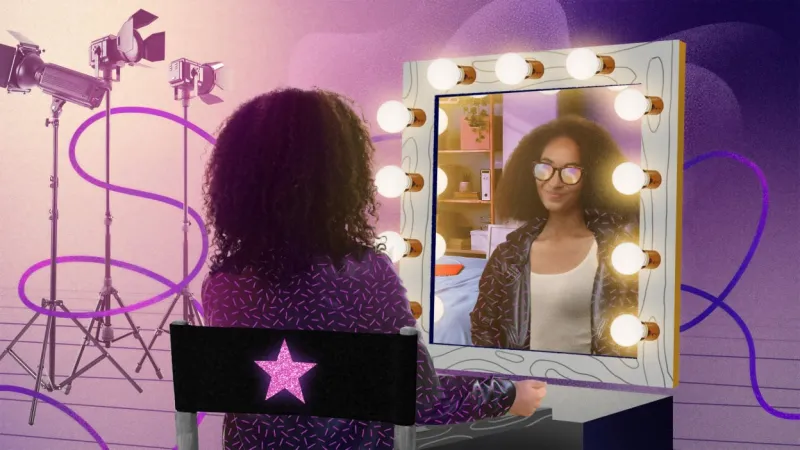
Photo: TikTok influencer Hollywood film set camera acting, via helios-i.mashable.com
Something a little strange has been happening on your streaming queues lately. You settle in for what looks like a prestige limited series, and then — wait, isn't that the person who went viral for that pasta recipe? Or the guy with 12 million followers who does those deadpan hotel room skits?
Yep. That's them. And they've got a lead role.
The pipeline from TikTok to Hollywood isn't just a curiosity anymore — it's a full-blown casting strategy. Studios and streaming platforms are actively recruiting creators with massive digital followings, betting that those audiences will follow their favorites right onto a subscription platform. It's a gamble with real money, real productions, and real consequences for the actors who spent years in conservatories and regional theater preparing for these exact opportunities.
So what's actually driving this, and is it working?
The Math Behind the Madness
Let's be honest about what's happening here: this is mostly a marketing calculation dressed up as a casting decision.
When a creator with 8 million TikTok followers gets cast in a Netflix series, the platform isn't just hoping they can act. They're counting on that creator to post about the show, drive their audience to the platform, and generate organic buzz that no traditional ad campaign could replicate. It's essentially influencer marketing baked directly into the production itself.
Casting directors who work with major studios have been pretty candid about this shift in recent years. The conversation in the room has changed. It used to be entirely about who's the best actor for this role. Now there's almost always a second question: what does their digital footprint look like? That's not a rumor — that's the current reality of how decisions get made at the studio level, particularly for streaming originals where subscriber numbers are everything.
And from a pure business standpoint, you can see the logic. Traditional marketing for a new series can run into the tens of millions. If your lead actor is already a built-in promotional engine with a highly engaged audience? That's a line item you can shrink considerably.
The Actors Who've Actually Made It Work
Here's the thing — it's not all a disaster. Some creators have genuinely surprised people.
Addison Rae's transition to screen work was rocky at first, but she's continued to take on projects and grow as a performer in ways that suggest real effort. Noah Beck has picked up supporting roles that, while not career-defining, haven't embarrassed anyone involved. And then there's the case of Avani Gregg, who landed a role in Chicken Girls before her TikTok fame exploded and has since navigated both worlds with more grace than critics expected.
More compelling still are creators who came from performance-adjacent content — dancers, comedic sketch artists, people who were essentially performing on camera every single day for years before a studio ever called. That experience isn't nothing. It's not an MFA, but it's also not zero.
The transitions that tend to work share a few things in common: the role fits the creator's natural energy rather than asking them to stretch dramatically, the production has strong supporting actors around them, and the writers aren't leaning on the influencer's personality as a crutch for underdeveloped character work.
The Transitions That Didn't Quite Land
For every success story, though, there are several quiet misfires that streaming platforms would rather you forget.
A pattern has emerged where a creator gets cast, generates enormous pre-release buzz on social media, the show launches to decent opening numbers — and then the audience falls off a cliff by episode three. Sound familiar? It should. When viewers who followed a creator for 60-second videos sit down with a 45-minute dramatic episode, the charisma that made someone magnetic on a phone screen doesn't always survive the translation.
Acting is a craft. That's not a snobbish thing to say — it's just accurate. Emotional continuity across a long scene, hitting technical marks while staying present, working opposite another actor whose energy you have to respond to in real time — none of that is intuitive. Creators who haven't trained for it often look visibly uncomfortable in ways that pull audiences right out of the story.
The productions that suffer most are the ones where the influencer casting was clearly a marketing decision first and a creative one never.
What Trained Actors Are Saying (Carefully)
Unsurprisingly, working actors are frustrated — though most are diplomatic about it in public because they still need to work in this industry.
The conversation in acting communities tends to center less on the individual creators getting cast (most people acknowledge it's not their fault for saying yes to an opportunity) and more on the systemic shift in what studios consider "bankable." When a performer spends a decade doing regional theater, independent films, and co-star roles on network procedurals, the idea that a casting decision might come down to follower count rather than a body of work is genuinely demoralizing.
Acting teachers and coaches have started incorporating social media presence into conversations with students — not because they think it should matter artistically, but because they'd be doing their students a disservice by pretending it doesn't matter practically.
Does the Audience Actually Follow?
The data on this is more complicated than studios like to admit publicly. Yes, there's often a spike in platform sign-ups or episode views when a major creator is cast. But sustained viewership — the kind that gets a show renewed, the kind that translates to genuine cultural conversation — is a different story.
Audiences are pretty good at sniffing out when a casting choice was primarily a promotional strategy. And when the performance doesn't hold up, the backlash can actually damage a show's long-term prospects more than a lower-profile cast would have.
The smartest plays we've seen involve using influencer casting in ensemble projects where the creator's screen time is calibrated to their actual abilities, surrounded by experienced performers who carry the dramatic weight. That's not a knock — it's smart production design.
Where This Goes From Here
The influencer casting trend isn't going away. The economic incentives are too strong and the platforms are too dependent on subscriber growth metrics for this calculation to change overnight.
But there are early signs that the industry is recalibrating slightly. Some casting directors have started pushing back more forcefully in rooms where the follower-count conversation starts to override the creative conversation. A few high-profile influencer casting choices that underperformed have made certain executives more cautious.
The most interesting development to watch: creators who are genuinely investing in acting training before taking on major roles. That's a signal that some people in this pipeline understand the difference between being famous and being good at this specific job — and they're trying to close that gap.
For viewers, the best advice is probably just to give things a fair shot. Sometimes the TikTok person is genuinely great. Sometimes they're not. That's actually not so different from any other casting decision Hollywood makes.