The Shows Nobody Recommends: How Streaming Algorithms Quietly Bury the Good Stuff
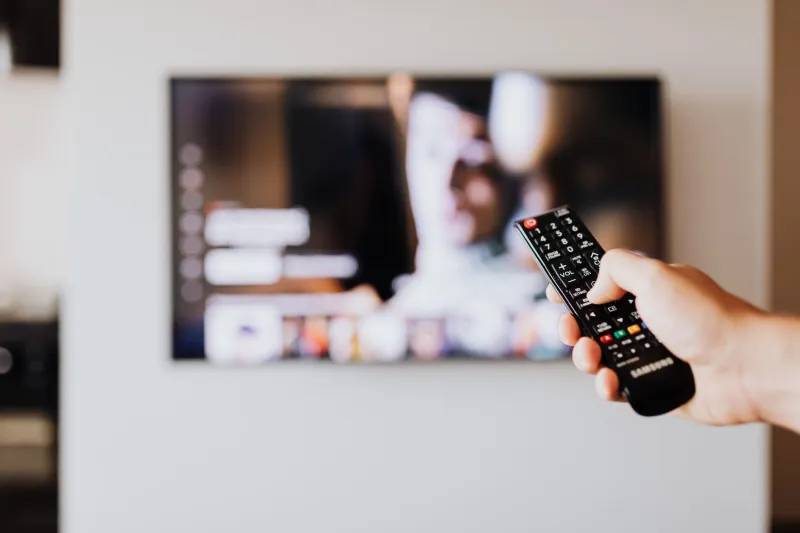
You've probably had this experience: you finish a show you absolutely loved, something weird and specific and totally unlike anything else you've seen, and then you spend the next forty minutes scrolling through your streaming homepage desperately looking for something similar. The platform shows you Stranger Things again. Maybe a reality competition you've already dismissed three times. A movie you watched in 2019.
The thing you actually want — that sharp, strange, brilliantly written series with a cult following and a 97% critics score — is nowhere to be found. It exists on the platform. You'll eventually find it by accident, or because a friend texted you about it at 11pm on a Friday. But the algorithm? It never would've gotten you there.
This isn't a glitch. It's a design feature.
Popularity Is the Algorithm's North Star
At their core, streaming recommendation engines are optimization machines. They're not trying to find you the best show. They're trying to find you a show you're statistically likely to click on and keep watching long enough to count as an engagement. Those are two very different goals.
Data scientists who work on recommendation systems — including some who've spoken publicly at tech conferences — describe a fundamental tension built into the architecture: the algorithm rewards content that performs well across large audiences, which almost by definition excludes content that appeals deeply to smaller ones.
"The system is trained on aggregate behavior," one machine learning engineer who previously worked at a major streaming company explained in a 2023 panel. "If a show has passionate fans but a limited total audience, it doesn't generate the signal volume needed to get recommended at scale. It gets stuck."
In other words, a show with 200,000 obsessed viewers who rewatch episodes multiple times might get algorithmically outranked by a show with 2 million viewers who finished one season and moved on. Raw numbers beat depth of engagement in most current models.
The Cold Start Problem Nobody Talks About
There's a term in recommendation system design called the "cold start problem" — what happens when a new piece of content has no engagement history for the algorithm to learn from. Platforms have various workarounds for this, usually involving tagging content by genre, mood, or similarity to existing popular titles.
But here's where niche shows get hit hardest. If a series doesn't fit neatly into a recognizable genre box — say, it's a dark comedy that's also a period drama that's also kind of a horror show — the algorithm doesn't know where to put it. It can't confidently surface it to comedy fans or drama fans because it doesn't have a clean category to work from. So it hedges. It shows the content to almost nobody while it waits for organic engagement that may never come at scale.
This is why genuinely original television often struggles algorithmically. The more innovative a show is, the harder it is to categorize, and the harder it is to categorize, the less likely the algorithm is to take a swing on it.
Thumbnail Science and the Mainstream Bias
It gets worse. Even when a niche show does get surfaced, it often loses the click battle before a viewer even reads the title.
Streaming platforms A/B test thumbnails obsessively — and the images that win tend to feature close-up faces with high emotional expression, recognizable star power, or visual aesthetics that mirror whatever's already trending. A quiet, slow-burn foreign drama about grief might have stunning cinematography, but its thumbnail probably can't compete with a thriller featuring a well-known actor mid-scream.
The result is a self-reinforcing loop: mainstream-coded content gets clicked more, generates more data, gets recommended more confidently, and crowds out the stuff that requires a little more patience or context to appreciate. The algorithm doesn't account for the fact that some of the best television ever made doesn't look exciting in a 300x170 pixel image.
What Platforms Actually Prioritize (And Why)
Let's be direct about the business reality here. Streaming platforms are not libraries. They're subscription businesses, and their recommendation engines are ultimately built to reduce churn — meaning they want to keep you subscribed long enough to renew next month.
From that perspective, recommending a six-episode cult classic that you'll love and finish in a weekend isn't necessarily better for the business than recommending a sprawling 40-episode procedural that keeps you engaged for months. The algorithm isn't evil. It's just optimizing for a metric that doesn't always align with your actual taste.
This is also why platforms tend to heavily promote their own originals regardless of quality. A show they own generates no licensing costs and builds platform-exclusive value. An older licensed gem from another studio doesn't move that needle the same way, so it gets less algorithmic real estate even if it's objectively better television.
Breaking Out of the Bubble: Actual Strategies That Work
So what can you actually do about this? Turns out, quite a bit.
Search directly instead of browsing. The browse experience is the most algorithmically curated part of any platform. When you search for something specific — a genre, a director, an actor you like — you bypass a significant layer of algorithmic filtering and access a broader slice of the library.
Use external discovery tools. Sites like Letterboxd (for film), TV Time, or even old-school forums like Reddit's r/television surface recommendations based on genuine community enthusiasm rather than engagement data. These communities tend to have strong opinions about hidden gems and will tell you about them whether the algorithm wants you to know or not.
Rate things aggressively. Most platforms still use explicit ratings (thumbs up/down, star ratings) as a signal alongside implicit behavior. If you rate the niche stuff you love highly and consistently, you're giving the algorithm cleaner data to work with. It won't fix everything, but it helps nudge your recommendations in a less generic direction.
Follow specific people, not just platforms. Newsletters, Substack writers, and critics who specialize in television — people like the writers at places covering prestige TV seriously — often have their fingers on the pulse of underseen content in ways that no algorithm currently matches. The human curation layer still beats machine curation for discovery of genuinely unusual work.
The Bigger Picture
There's something a little ironic about an era of unprecedented content abundance producing such a narrow viewing experience for most people. We technically have access to more television than any generation in history, but the systems designed to help us navigate that abundance are quietly funneling most of us toward the same hundred or so titles.
The cult classic you've never heard of — the one that a small, passionate group of people consider genuinely life-changing television — is sitting in a streaming library right now. It has been for years. The algorithm just hasn't decided you're ready to find it yet.
Maybe it's time to stop waiting for the algorithm to catch up.