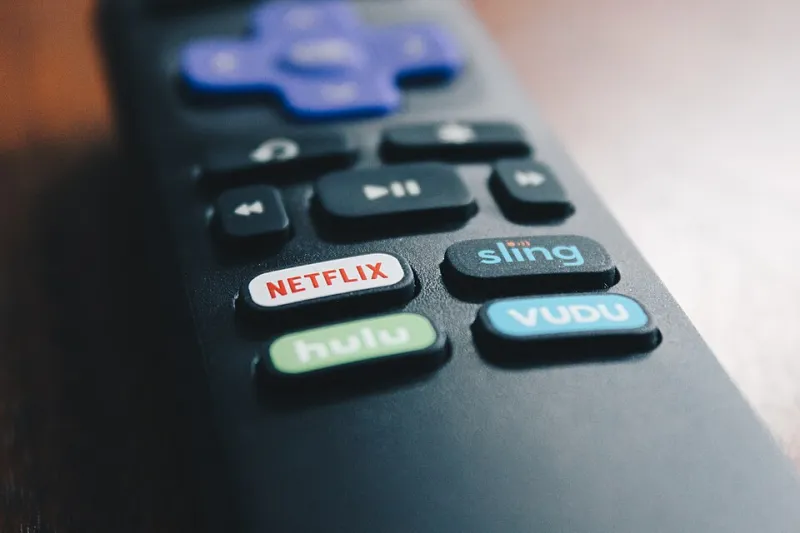
Logged Out and Done: The Quiet Mass Exodus From Streaming — And Where People Are Actually Going
Photo: Ashtabula Archive, Public domain, via Wikimedia Commons
Somewhere between the fifth price increase in three years and the moment you realized you'd been paying for three platforms just to watch one show at a time, something shifted. Millions of Americans are canceling streaming subscriptions at a rate that's making the industry genuinely nervous — and the numbers back that up. Subscriber churn, the industry's least favorite word, is no longer a blip. It's a trend.
So what's actually going on? And maybe more importantly — where is everyone going?
The Math Stopped Making Sense
Let's start with the obvious. Streaming used to be the scrappy underdog deal. Ten bucks a month for everything. No commercials. No cable bill. It felt like the future.
Fast forward to now, and the average American household subscribing to four or more platforms is spending north of $70 a month on streaming alone — sometimes closer to $100 when you factor in the premium tiers that quietly replaced the old standard ones. That's not that far off from the cable bundles people were so thrilled to ditch a decade ago.
And unlike cable, which at least gave you a consistent experience, streaming subscribers are getting hit with rotating content libraries, shows canceled before they find their footing, and the growing suspicion that the algorithm is just pointing them in circles. The value proposition cracked. And once people started doing the actual math, the unsubscribes started rolling in.
Analysis from multiple industry trackers shows that churn rates across major platforms spiked sharply following each round of price increases — with some platforms losing anywhere from 5 to 15 percent of their subscriber base in the months after adjustments. That's not a coincidence. That's cause and effect.
Free TV Isn't What It Used to Be (In a Good Way)
Here's where things get interesting. People aren't just canceling and staring at blank screens. They're migrating — and a big chunk of them are landing on free, ad-supported streaming services that have quietly gotten very good.
Platforms like Tubi, Pluto TV, Peacock's free tier, and The Roku Channel have seen explosive growth over the past two years. Tubi alone reported over 80 million monthly active users, and its library — which spans thousands of movies and TV shows — is genuinely competitive with what the paid services were offering five years ago. You sit through some ads. In exchange, you pay nothing. For a lot of people, that trade is starting to feel more than fair.
These FAST channels (Free Ad-Supported Streaming Television) aren't glamorous. They don't have the splashy originals or the prestige drama everyone's tweeting about. But they have depth, catalog content, and zero monthly commitment. When you're burned out on subscription fatigue, that's a genuinely compelling pitch.
Cable's Unexpected Comeback Tour
Stay with us here, because this one sounds absurd until it doesn't: some people are going back to cable.
Not in massive numbers, and not exactly the same cable they left — but bundled live TV services like YouTube TV, Hulu Live, and DirecTV Stream are pulling in viewers who want the simplicity of channel surfing without the chaos of managing six separate app subscriptions. Live sports, local news, and real-time event television are the main draws. Streaming never fully cracked the live experience, and that gap has been enough to push a meaningful segment of viewers back toward something that at least resembles the old model.
There's also something almost nostalgic happening here. The endless scroll of on-demand content creates its own kind of decision fatigue. Some people genuinely just want to turn on a channel and see what's on. That behavior didn't disappear when cable did — it just didn't have anywhere to go for a while.
Theaters Are Quietly Winning People Back
Post-pandemic, the conventional wisdom was that theatrical releases were permanently diminished — that streaming had trained audiences to expect everything at home, immediately. That story is getting more complicated.
Box office numbers for major releases have been recovering, and more importantly, the theatrical experience is being repositioned as an event rather than a default. People who feel burned by streaming — who paid for a platform to watch one hyped movie and then immediately canceled — are reconsidering the movie theater as a one-time, no-strings transaction. You pay for a ticket, you see a movie, you leave. No subscription, no algorithm, no content library you'll never actually explore.
Some theaters have leaned into this shift with premium formats, better food options, and reserved seating that makes the whole thing feel less like a chore and more like an actual outing. For a certain kind of viewer, that's a genuinely appealing alternative to the streaming treadmill.
Niche Platforms Are Picking Up the Slack
Not everyone fleeing Netflix is going to Tubi. A significant slice of the streaming exodus is landing on hyper-specific platforms built around particular interests — and finding that smaller sometimes means better.
Crunchyroll dominates anime. MUBI caters to serious film lovers with a rotating selection of arthouse and international cinema. Shudder has carved out a loyal horror audience. BritBox serves people who want prestige British television without wading through an ocean of content they'll never touch. These platforms tend to be cheaper, more focused, and — crucially — more likely to actually have what their specific audience wants.
The logic makes sense. If you're paying for a massive general-interest platform but only using it for one genre, you're essentially subsidizing content you'll never watch. A niche platform that costs half the price and delivers exactly what you want is a pretty easy switch to make.
What This Means for the Big Players
The streaming giants aren't going anywhere. But they're being forced to adapt to a subscriber base that has gotten significantly more skeptical and significantly less patient. The era of growth-at-all-costs is over — the focus has shifted to retention, and retention requires actually delivering consistent value.
That means better content discovery, more transparent pricing, and probably some consolidation. The industry is already moving toward bundling in ways that look suspiciously like the cable packages everyone was so happy to escape. The wheel, it seems, keeps turning.
For viewers, though, the current moment is actually kind of liberating. The options have never been more varied, the free alternatives have never been better, and the leverage has shifted — at least a little — back toward the audience. You don't have to stay subscribed to something that's stopped working for you.
Logging out might be the most powerful thing a streaming subscriber can do. And right now, millions of people are figuring that out at the same time.